
 1 mins read
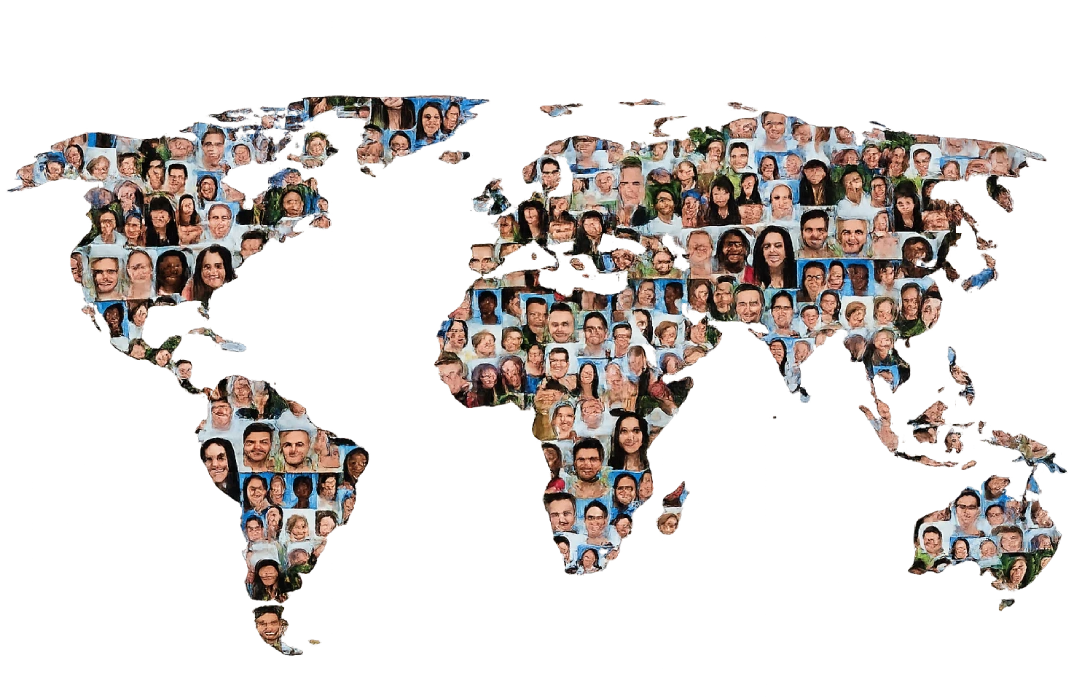
Workforce Diversity is the range of differences among employees in an organisation, including race, gender, age, disability, sexual orientation, religion, socioeconomic background and cognitive style. It describes workforce composition and the varied perspectives people bring.
What is Workforce Diversity
Workforce diversity means having representation from a variety of identities and experiences so teams better reflect customers and communities. It emphasises visible and non visible attributes across roles and levels.
How it works
Organisations track diversity with demographic data and staff feedback. HR implements inclusive recruiting, bias training, reasonable adjustments and talent development to recruit and retain diverse talent. Diversity requires deliberate policies and culture change to become effective.
Practical usage
Used in recruitment, compliance reporting, workforce planning, pay equity reviews and learning programmes. Payroll and compliance teams use diversity metrics to support nondiscriminatory pay practices and regulatory reporting.
- Rewrite job adverts to remove biased language
- Require diverse candidate slates for key roles
- Support employee resource groups for retention
- Run pay equity and diversity analytics
Related concepts
Closely related terms include inclusion, equity, equal employment opportunity, unconscious bias and diversity and inclusion strategy. These guide policy, measurement and people practices.